- Tel: +86 13451474678 / 13451474678
- Email: / hbzinanmech@gmail.com


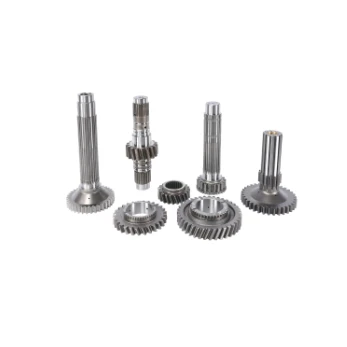
hydraulic drive axle
Understanding the Modern Four-Wheel Drive Gearbox in Industrial Applications The industrial landscape's demand for robust, efficient, and versatile power transmission systems has never been higher. At the core of many heavy-duty machinery and specialized vehicles lies the four wheel drive gearbox , a critical component engineered to distribute torque across all axles, ensuring unparalleled traction and stability in challenging operational environments. This detailed exploration delves into its technical intricacies, market trends, and strategic advantages for B2B decision-makers. Beyond conventional applications, the evolution of gearbox technology, including advanced all wheel drive transmission systems and specialized front wheel drive gearbox configurations, reflects a broader industry shift towards higher efficiency, greater reliability, and lower maintenance costs. Our focus here is on the specific demands and innovations within the four-wheel drive segment, highlighting how modern designs address the rigorous requirements of various industrial sectors. Industry Trends and Market Dynamics The market for four wheel drive gearbox systems is currently undergoing significant transformation, driven by several key trends. Automation and digitalization are leading to gearboxes with integrated sensors for real-time performance monitoring and predictive maintenance. There's also a strong push towards lightweight yet high-strength materials to improve power-to-weight ratios and fuel efficiency, especially in off-highway and construction equipment. Furthermore, the increasing adoption of electric and hybrid powertrains in industrial vehicles necessitates new gearbox designs capable of handling different torque characteristics and power delivery mechanisms. The global market for industrial gearboxes, valued at approximately $23 billion in 2022, is projected to reach over $30 billion by 2028, with the four-wheel drive segment experiencing robust growth due to infrastructure development and increased mining activities worldwide (Ref. 1). Regulatory pressures for reduced emissions and improved energy efficiency also play a pivotal role. Manufacturers are investing heavily in research and development to create gearboxes that minimize frictional losses and optimize power transfer. This includes advancements in gear geometries, lubrication systems, and the use of advanced coatings. The integration of advanced control electronics allows for more precise torque distribution, enhancing vehicle stability and operational safety, particularly in adverse conditions. Manufacturing Process of a High-Performance Four-Wheel Drive Gearbox The production of a high-quality four wheel drive gearbox is a complex, multi-stage process that combines precision engineering with stringent quality control. This ensures each unit delivers optimal performance and durability in demanding industrial settings. Process Flow Overview: Material Selection and Preparation: Utilizes high-grade alloy steels (e.g., 20CrMnTi, 42CrMo) known for their superior strength, hardness, and wear resistance. Materials undergo rigorous spectroscopic analysis to confirm chemical composition and ensure compliance with ASTM A29/A29M or EN 10084 standards. Casting/Forging of Housings: Gearbox housings are typically cast from ductile iron (e.g., ASTM A536 Grade 65-45-12) for excellent vibration dampening and structural integrity, or forged from steel for maximum strength in compact designs. Precision molds and dies are critical. Gear Blank Machining: Raw gear blanks are cut from high-strength steel bars. Initial turning, drilling, and facing operations are performed on advanced CNC lathes, achieving tight tolerances for subsequent gear cutting. Gear Cutting (Hobbing/Shaping): Gears are precision-cut using hobbing or shaping machines. This process creates the accurate tooth profiles essential for smooth operation and minimal backlash. Standards like AGMA 2000-A88 guide the quality of gear teeth. Heat Treatment: Components such as gears, shafts, and other critical parts undergo case hardening processes like carburizing and quenching, followed by tempering. This significantly increases surface hardness and wear resistance while maintaining core toughness, essential for a long service life of 20,000+ operating hours. Precision Grinding and Finishing: Post-heat treatment, gears are ground to achieve the final precise tooth geometry, surface finish, and dimensional accuracy. This step minimizes noise, vibration, and friction. Shaft and Bearing Seating Machining: Shafts are machined to exacting tolerances, and bearing seats within the housing are precision bored and honed using CNC machining centers to ensure perfect alignment and optimal bearing performance. Assembly: Skilled technicians assemble the cleaned and inspected components in a controlled environment. Bearings, seals, shafts, and gears are carefully fitted. Testing and Quality Control: Every four wheel drive gearbox undergoes a series of stringent tests, including no-load and full-load performance tests, noise and vibration analysis, leak detection, and temperature rise checks. Adherence to ISO 9001 and ANSI/AGMA 6011-J14 standards ensures product reliability and performance consistency. Protective Coating and Packaging: Finished gearboxes receive appropriate corrosion-resistant coatings, such as industrial-grade epoxy paints, before being securely packaged for shipment. This protects the unit during transit and storage, especially crucial for target industries like petrochemicals, metallurgy, and water supply & drainage, where corrosion resistance is a key advantage. This meticulous process ensures that each four wheel drive gearbox not only meets but often exceeds industry standards, offering advantages such as significant energy saving through optimized gear meshing, and superior corrosion resistance for extended operational life in harsh environments. Technical Specifications and Parameters: D7 Wheel Engine Transmission The D7 Wheel Engine Transmission exemplifies the cutting edge in four wheel drive gearbox technology, designed for demanding applications requiring robust power delivery and control. Below is a detailed table outlining key technical parameters. Image: D7 Wheel Engine Transmission - a robust four wheel drive gearbox solution. D7 Wheel Engine Transmission - Key Technical Parameters Parameter Specification Product Name D7 Wheel Engine Transmission Type Wheel-side Reducer, Four Wheel Drive Rated Input Torque (Nm) Up to 2500 Output Torque (Nm) 20,000 - 50,000 (Application Dependent) Gear Ratios Available From 20:1 to 100:1 (Customizable) Efficiency > 95% (under optimal load) Operating Temperature Range -20°C to +80°C Housing Material Ductile Iron (ASTM A536) / High-strength Steel Gear Material Carburized Alloy Steel (20CrMnTi) Sealing Advanced Lip Seals / Labyrinth Seals (IP67 optional) Mounting Options Flange Mount, Shaft Mount (Various configurations) Service Life > 20,000 operating hours with proper maintenance Certifications ISO 9001:2015, CE Compliant These specifications underline the D7's capability to operate reliably in diverse industrial contexts, from heavy construction equipment to specialized agricultural machinery, where consistent traction and durability are paramount. The meticulous material selection and adherence to standards such as ISO 9001 ensure robust performance and a long operational lifespan. Application Scenarios and Technical Advantages The inherent advantages of a four wheel drive gearbox make it indispensable across a spectrum of demanding industrial applications. Its ability to effectively distribute torque to all four wheels provides superior traction and control, especially on uneven, slippery, or soft terrain. Mining & Construction: For heavy-duty dump trucks, excavators, and loaders operating in quarries, open-pit mines, or challenging construction sites, the enhanced grip prevents wheel slip, reduces wear on tires, and improves overall operational safety and efficiency. This leads to reduced downtime and lower operational costs. Agriculture: High-power tractors and harvesters benefit immensely from all wheel drive transmission systems, allowing them to navigate muddy fields and steep inclines with ease, ensuring optimal productivity during critical planting and harvesting seasons. Forestry: Logging vehicles and forwarders often operate in highly rugged and unpredictable terrain. A robust four wheel drive gearbox provides the necessary stability and power to traverse dense forests and extract heavy loads safely. Oil & Gas: Specialized vehicles used for exploration, maintenance, and transport in remote and often harsh environments (e.g., desert, arctic) rely on the superior off-road capabilities enabled by advanced gearbox designs. Specialized Vehicles: Firefighting vehicles, emergency response units, and military transport, particularly those requiring exceptional mobility in off-road conditions, integrate these systems for reliable performance. Technically, the advantages extend to enhanced energy saving through optimized power distribution, minimizing energy loss due to wheel slip. Furthermore, modern gearboxes are designed with advanced sealing solutions and corrosion-resistant materials, contributing to exceptional durability and significantly longer service intervals, even in aggressive chemical or high-moisture environments. This translates directly to reduced maintenance costs and an improved total cost of ownership (TCO) for industrial operators. Vendor Comparison: Evaluating Four-Wheel Drive Gearbox Suppliers Choosing the right supplier for a four wheel drive gearbox is a critical decision that impacts long-term operational efficiency and reliability. While various manufacturers offer solutions, key differentiators include material quality, manufacturing precision, customization capabilities, and after-sales support. Below is a comparative overview of typical vendor offerings. Comparative Overview of Four-Wheel Drive Gearbox Suppliers (Generic Representation) Feature/Vendor Type Leading OEM/Tier 1 Specialized Manufacturer (e.g., Jinanmech D7) Budget/Mass Market Supplier Product Range Broad, integrated systems Focused, high-performance modular units Standardized, limited options Customization Moderate, often requires large volumes High, tailored to specific application needs Very Low / None Material Quality Excellent, proprietary alloys Excellent, industry-best practices (e.g., 20CrMnTi) Standard, cost-optimized materials Manufacturing Precision Very High (Robotics, tight QA) Very High (CNC, ISO/AGMA standards) Moderate (Manual oversight, general standards) Certifications ISO, OEM Specific ISO 9001, CE, Industry-specific Basic QA, sometimes self-certified After-Sales Support Extensive global network Direct manufacturer support, technical experts Limited, distributor-dependent Price Point Premium Competitive Premium (Value-driven) Budget-friendly Specialized manufacturers, such as those behind the D7 Wheel Engine Transmission, often strike an optimal balance between high-end performance, material quality, customization, and cost-effectiveness. They focus on delivering specific, robust solutions rather than broad, generic product lines. Customized Solutions and Application Case Studies Recognizing that no two industrial applications are identical, leading gearbox manufacturers offer extensive customization options. This involves tailoring gear ratios, mounting configurations, shaft designs, and even specific sealing mechanisms to meet the precise demands of unique operational environments. For instance, in a large-scale agricultural project in the Midwest, a client required a four wheel drive gearbox for heavy-duty harvesting equipment that could withstand extreme temperature fluctuations and prolonged exposure to abrasive dust. Our engineers collaborated closely with the client to develop a variant of the D7 Wheel Engine Transmission featuring enhanced dust-proof sealing (IP67 standard) and specialized lubrication suited for high-temperature stability. The customized solution led to a 15% improvement in operational uptime compared to previous standard units. Another notable case involved a petrochemical facility in the Middle East, where corrosive agents and high humidity posed significant challenges to standard components. For their specialized transport vehicles, we provided D7 transmissions with advanced anti-corrosion surface treatments and sealed bearings, extending the gearbox's service life by an estimated 30% beyond typical expectations. These examples underscore the value of bespoke engineering in maximizing equipment performance and longevity, directly impacting the client's bottom line through reduced maintenance and increased productivity. Our years of service in diverse industries, including partnering with major players in infrastructure development and material handling, reinforce our capability in delivering tailored, high-performance solutions. Trustworthiness and Support Frequently Asked Questions (FAQ) Q: What is the typical lead time for a custom four wheel drive gearbox ? A: Standard units typically ship within 4-6 weeks. For highly customized solutions, lead times can range from 8-12 weeks, depending on complexity and material sourcing. We maintain transparent communication throughout the production process. Q: What kind of warranty is offered on your gearboxes? A: All D7 Wheel Engine Transmissions come with a comprehensive 2-year or 2,000-hour operational warranty, whichever comes first, covering manufacturing defects and material failures under normal operating conditions. Extended warranty options are available upon request. Q: How do you handle after-sales support and spare parts? A: We offer dedicated technical support via phone and email. A comprehensive inventory of spare parts is maintained for rapid dispatch globally, minimizing potential downtime. Our team provides expert guidance on installation, maintenance, and troubleshooting, ensuring optimal performance throughout the gearbox's lifecycle. Lead Time & Fulfillment Our robust supply chain and efficient manufacturing processes allow for competitive lead times. For standard models, expect delivery within 4-6 weeks. For custom-engineered solutions, timelines are collaboratively established during the consultation phase, typically ranging from 8-12 weeks, ensuring precision without undue delay. Expedited options are available for urgent requirements, subject to project scope and material availability. Warranty Commitments We stand behind the quality and durability of our D7 Wheel Engine Transmissions. Each unit is backed by a 2-year / 2,000-hour operational warranty, safeguarding your investment against manufacturing defects and material integrity issues. Our commitment to ISO 9001:2015 certified quality management systems underpins this assurance, reflecting our dedication to delivering trustworthy products built to last. Customer Support Our customer support goes beyond troubleshooting. We offer comprehensive technical assistance, maintenance guidance, and prompt access to genuine spare parts. Our experienced engineers are available to provide in-depth support, ensuring seamless integration and long-term operational excellence for your industrial applications. We also provide documentation and training resources to empower your operational teams. Conclusion The continuous innovation in four wheel drive gearbox technology underscores its vital role in modern industrial machinery. By prioritizing robust design, precision manufacturing, and adaptable customization, manufacturers like Jinanmech ensure that critical equipment can meet the escalating demands of performance, efficiency, and reliability across diverse sectors. Investing in high-quality, technically superior gearboxes is not merely a purchase but a strategic decision to enhance operational longevity and productivity. References Market Data Report. "Industrial Gearbox Market Size, Share & Trends Analysis Report." Grand View Research, 2023. Technical Standard. "AGMA 2000-A88: Gear Classification and Inspection Handbook - Tolerances and Measuring Methods for Unassembled Spur and Helical Gears." American Gear Manufacturers Association, 1988. Quality Management. "ISO 9001:2015 - Quality management systems - Requirements." International Organization for Standardization, 2015.
-
0YEARS IN THE FIELD
-
0 KEXPERIENCED STAFFS
-
-
-
0 kACCOMPLISHED PROJECT
-
0SATISFIED CLIENTS
-
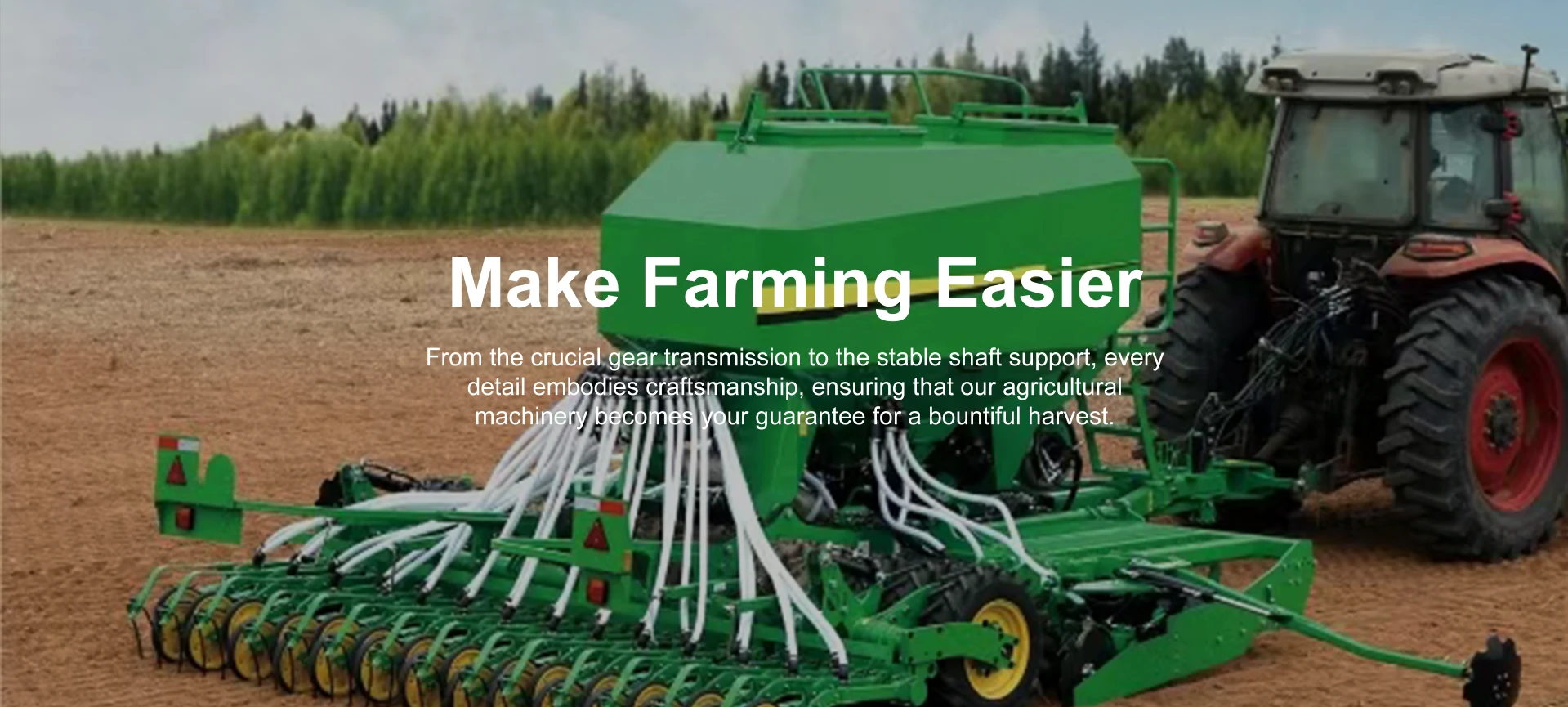
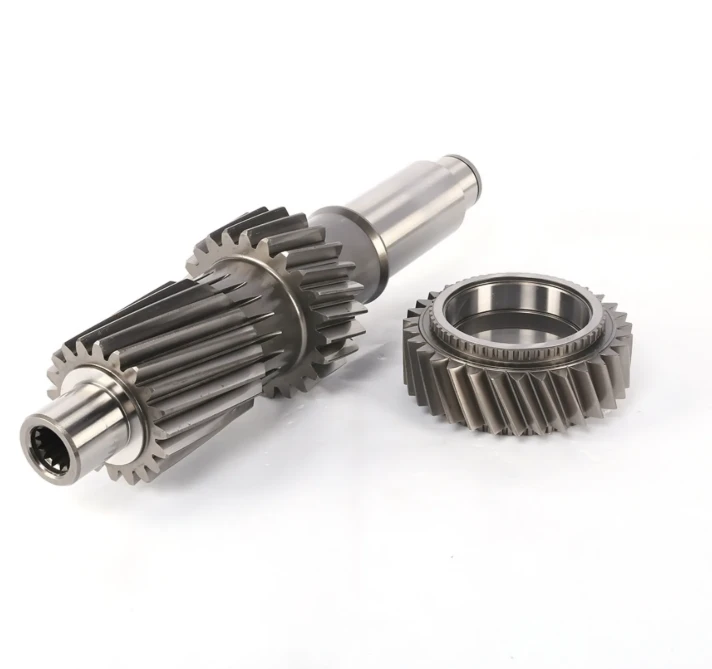
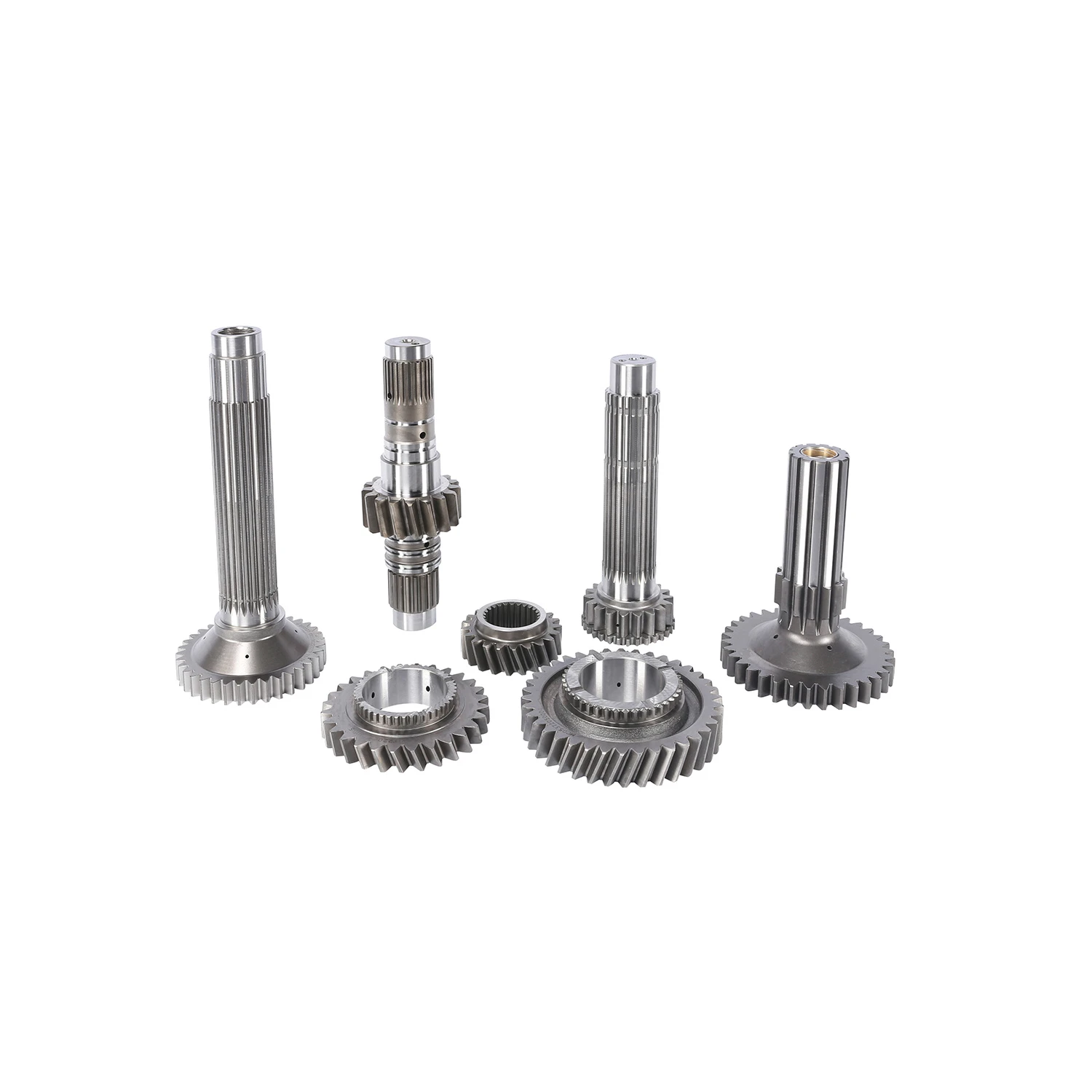
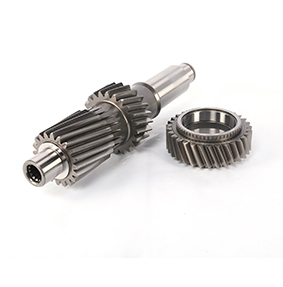
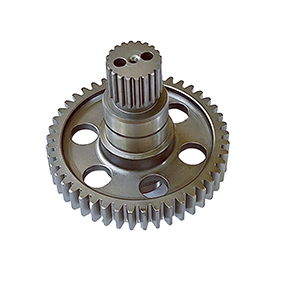
01The Application of Agricultural Machinery Gears In The IndustryAgricultural machinery gears are widely used in the agricultural machinery industry. In tractors, gears are applied to the transmission system. They can transmit the power from the engine to the wheels and achieve different speeds and torques through different gear combinations, so as to adapt to various working conditions such as plowing and transportation.
-
02Application of ComponentsIn agricultural machinery, the gearbox is mainly used to change the transmission ratio. Taking a tractor as an example, when the tractor needs to drive slowly in the field to cultivate the land and other operations, the gearbox can transmit the power of the engine through a lower transmission ratio, thereby outputting a larger torque to ensure that the agricultural machine has enough power to drive the agricultural implement for deep farming and other operations.
-
03Application of Agricultural MachineryField operations: Tractors are one of the most important power machines in agricultural production. In cultivated land operations, it can use powerful power to drive ploughshares to till the land by mounting ploughs to turn, break and level the soil, creating good soil conditions for sowing. For cultivator operations, it can mount cultivators to perform operations such as weeding, loosening and soil cultivation during crop growth to promote the growth of crop roots and nutrient absorption.
International layout
Spread all over the world
Our agricultural machinery products have won wide recognition and trust in the global market, and our sales network covers many countries and regions.
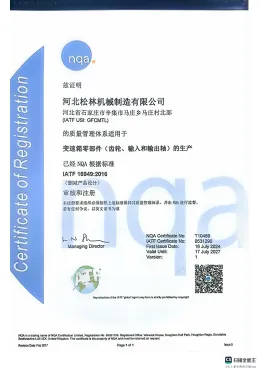
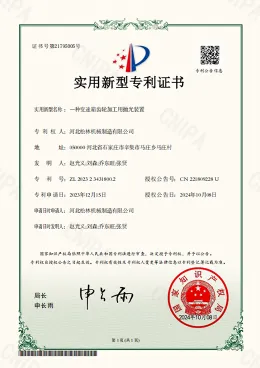
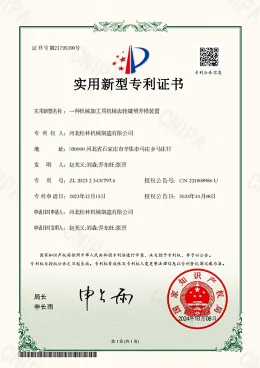

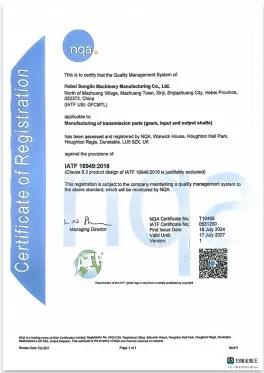
-
2026-04-05 01:37Air Suction No Till Seeder - Zinan Technology _ Precision Farming, Soil CoverageIn the ever-evolving landscape of agricultural machinery, the Air Suction No Till Seeder stands out>

-
2026-04-04 23:10High-Efficiency Ox Operated Seed Drill w_ GPT-4-TurboIn modern agriculture, efficient planting and soil management are essential for maximizing yield and>
-
2026-04-04 23:03Precision Cylindrical Gear Reducer _ Low Backlash GearsThe Pivotal Role of Cylindrical Gear Reducer in Industrial Advancement and Key Industry Trends In th>
Sign up
for Newsletter
Subscribe to the weekly newsletter for all the latest updates